
Radiofrequency Ablation Fort Lauderdale
Reduce Nerve Activity, Find Lasting Pain Relief
Are you struggling under the weight of ongoing pain in your back, neck, or joints? Our non-surgical orthopedics team in Fort Lauderdale wants to help! We may recommend that you undergo radiofrequency ablation (RFA), a minimally invasive procedure that uses the power of radio waves to disrupt pain signals. Very often, lasting freedom from pain is the result! Continue reading this page to discover more information about RFA, or contact us directly to set up your pain relief consultation.
What Is Radiofrequency Ablation?
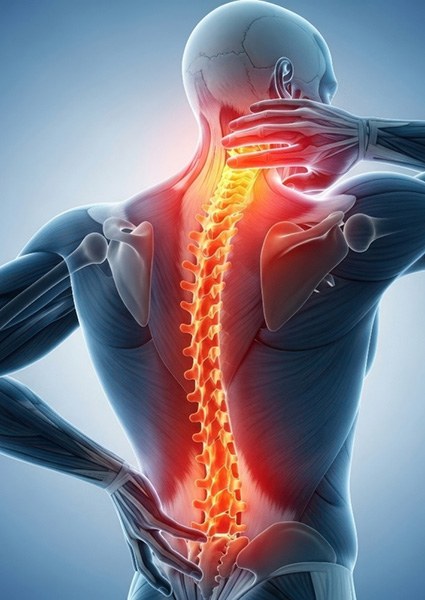
Radiofrequency ablation is also known as radiofrequency neurotomy. It is a minimally invasive procedure which has the goal of reducing chronic pain. It works by using radio waves to generate heat within the body, which then destroys targeted areas of nerve tissue. As a result, the nerves lose their ability to send pain signals to the brain.
In addition to providing powerful pain reduction, RFA can also enhance functionality and mobility for many patients. It may even allow you to cut back on pain medications and delay or completely avoid invasive surgical procedures.
Who Is a Good Candidate for Radiofrequency Ablation?

RFA is commonly used in the realm of non-surgical orthopedics as a way to address spine and joint pain. It might be right for you if your body has not responded well to more conservative approaches, like medication or physical therapy.
Some specific issues that RFA may be able to address include:
- Facet joint pain
- Degenerative disc disease
- Osteoarthritis
- Peripheral nerve pain
- Pain in the neck, back, or knees
In our clinic, we use RFA only to address orthopedic pain. In other areas of medicine, it can be used to shrink certain tumors or even reduce heart rhythm issues.
The only way to find out for sure if RFA is right for you is to attend a consultation with our team. After we learn about your situation and medical history, we can advise you on your next steps.
How Does Radiofrequency Ablation Work?

Before you undergo RFA, you might need to receive a diagnostic nerve block. If the nerve block significantly reduces or eliminates your pain, that lets us know that your nerves are indeed the source of your discomfort. It means that RFA would likely be effective for you.
Once you decide to move forward with RFA, you can expect a pretty straightforward and minimally invasive process. To start, you will lie down in a way that gives us optimal access to the targeted area. Then, we will use ultrasound or other imaging technology to locate the nerves that need to be treated.
Next, we will administer a numbing agent so you are more comfortable during the RFA procedure. We will then insert a small hollow needle that has an electrode at its tip. The electrode’s job is to emit radio waves that generate heat and attack specific nerve cells, which in turn disrupts their ability to cause pain.
We always aim to be careful to avoid harming surrounding healthy tissues. From start to finish, the process might take 15 minutes to up to a few hours, depending on the number of nerves that need treatment and other factors. After your RFA procedure, you should have a trusted adult drive you home and take a full day to rest. Most patients can resume normal activities within just a few days.
Radiofrequency Ablation FAQs
What Does RFA Feel Like?
Just before your radiofrequency ablation procedure in our Fort Lauderdale office, you will receive a local anesthetic to numb the area where we plan to insert the needle. This medication helps you remain comfortable throughout the process. You may notice a mild tingling or burning sensation as the radio waves interact with the targeted nerve. Some patients describe this feeling as similar to a gentle electric pulse or a warm sensation. You might also sense some pressure when the needle enters the tissue. These sensations are usually brief and tolerable.
After your appointment, you might notice some temporary discomfort. Common after-effects include muscle spasms, hypersensitivity in the treated area, or numbness and burning. Soreness and tenderness at the injection site are not unusual, but they typically subside within a few days. The majority of patients resume their normal daily activities within 24 hours after the procedure.
When Will I Notice Results from Radiofrequency Ablation?
Some individuals experience significant pain relief almost immediately after the procedure. Others enjoy a gradual reduction in pain over the course of a week. In certain cases, it can take up to three weeks for significant improvements to occur. This variation is due to the fact that it takes time for the targeted nerve to cease transmitting pain signals to the brain. Your response will depend on your unique physiology, the underlying condition being treated, and the location of the nerve involved.
If you do not notice substantial pain relief within a few weeks, call our team. We will work with you to evaluate your progress and identify alternative options if needed.
How Long Do the Results of RFA Last?
Radiofrequency ablation represents a long-term approach to pain management in Fort Lauderdale. However, the duration of the relief you experience can vary. The treated nerve may eventually regenerate, which is why pain relief is not always permanent. Most patients report results that last between 6 and 12 months, while others enjoy relief for several years.
If your pain returns after several months or years, you can choose to undergo additional radiofrequency ablation treatments. These repeated sessions are considered safe, provided they are spaced at least six months apart.
How Can I Tell if RFA IS Right for Me?
Radiofrequency ablation may be an appropriate treatment option for you under several circumstances. If you experience pain relief after a nerve block injection, this suggests that a specific nerve is responsible for your discomfort and may respond favorably to radiofrequency ablation. You may also be a candidate if you have chronic pain that has not improved with other therapies, such as physical therapy or medications.
Of course, there are circumstances in which radiofrequency ablation may not be suitable for you. You are not considered a candidate if you are pregnant, have an active infection, or have a bleeding disorder. These conditions increase the risks associated with the procedure and may require alternative pain management strategies.
Is Radiofrequency Ablation Considered Surgery?
Radiofrequency ablation is not a surgical procedure. This technique is minimally invasive and does not require large incisions, general anesthesia, or lengthy recovery periods. Many patients prefer radiofrequency ablation because it offers a solution for nerve pain without the risks and downtime associated with more invasive alternatives.